West Virginia agrees to $4.4M settlement for five Black children abused by adoptive parents
A judge approved a $4.4 million payout from West Virginia to five Black siblings who were forced to work and kept in brutal conditions by their white adoptive parents, who are serving long prison terms. The children had sued the state's child welfare agency for failing to protect them.

By Sylvester Eyamah
Oct 5, 2026, 9:37 PM · 3 min read
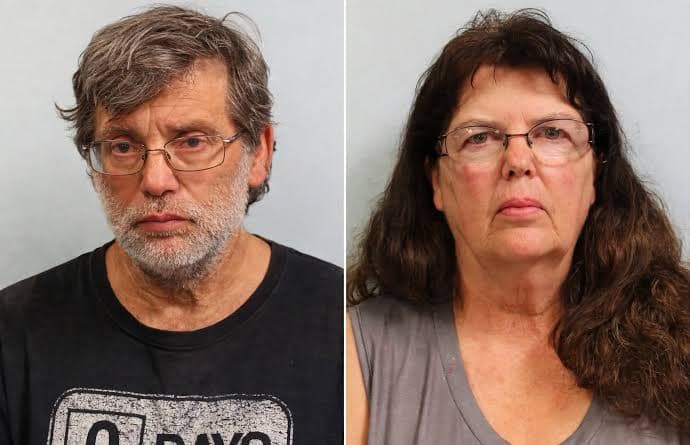
Five Black siblings who were made to perform forced labor by their affluent white adoptive parents will receive a $4.4 million settlement from West Virginia, resolving claims that the state did not intervene to save them.
Jeanne Kay Whitefeather and Donald Lantz received a combined 375-year prison sentence for holding the children, who were siblings ranging in age from 6 to 16 at the time, in severe conditions at their Sissonville property. The couple compelled the children to work as farm laborers because of their race.
Last week, Kanawha County Circuit Judge Maryclaire Akers signed off on the $4.4 million settlement for the children, the largest sum the state is permitted to award, according to West Virginia Watch.
Attorney Dante diTrapano, who represented the children, said the settlement gives them a chance to experience childhood. He said their former parents, whom he described as monsters, had stolen their innocence and youth.
The payment will be divided among the five children, some of whom have been diagnosed with posttraumatic stress disorder caused by the abuse.
Earlier this year, the children sued the West Virginia Department of Human Services, alleging that Child Protective Services failed to keep them safe. According to West Virginia Watch, the agency could not produce records showing CPS had contact with the children, even though its system contained notes about their slave-like circumstances.
DiTrapano said many calls came from neighbors, but there appeared to have been only one visit to the property. He said more visits should have occurred. During the trial of Whitefeather and Lantz, it emerged that CPS left a card at the family's front door. DiTrapano said CPS later interviewed the children, but the conversation took place within hearing distance of the adoptive parents.
State officials said at least one Department of Human Services employee connected to the matter was terminated.
DiTrapano asserted that West Virginia's child welfare system as a whole is broken. He told West Virginia Watch that numerous changes are needed, including improvements in how employees handle calls, conduct interviews and document their work, and that such reports must be treated seriously.
The children were discovered in squalid conditions after a neighbor told authorities that two teenagers were being held in a shed. Police located the oldest siblings, a 14-year-old boy and a 16-year-old girl, locked inside the shed, which contained a small RV-style porta-potty but lacked lights and running water. One of the teenagers told police they had been confined in the barn for 12 hours since their last meal.
The two teenagers, whose clothing was dirty and who had a strong odor, said the couple made them sleep on a concrete floor with no mattresses.
Lars Dalseide, a spokesperson for Gov. Patrick Morrisey, said the governor has taken action to strengthen DPS since entering office.
After the adoptive parents were arrested, the children were placed with new families. Two of their new adoptive mothers appeared in court and described the children's lives now, including a trip to the beach.
DiTrapano said he intends to pursue charges against Washington state's Human Services Department. He said that agency approved Whitefeather and Lantz relocating with the children from Washington, where there had been earlier reports of child abuse, to West Virginia.
Newsletter
Get the biggest stories in your inbox
A concise morning briefing, curated by Chronicle editors.