France Points to Iran’s Revolutionary Guards in Supermarket Refrigeration Cyberattacks
France has blamed Iran’s Islamic Revolutionary Guard Corps for cyberattacks that disrupted supermarket refrigeration in October and said it will seek European sanctions. A later wave affected more than 100 sites in Europe, including blood bank refrigerators in France.

By Sylvester Eyamah
Nov 10, 2026, 5:27 PM · 2 min read
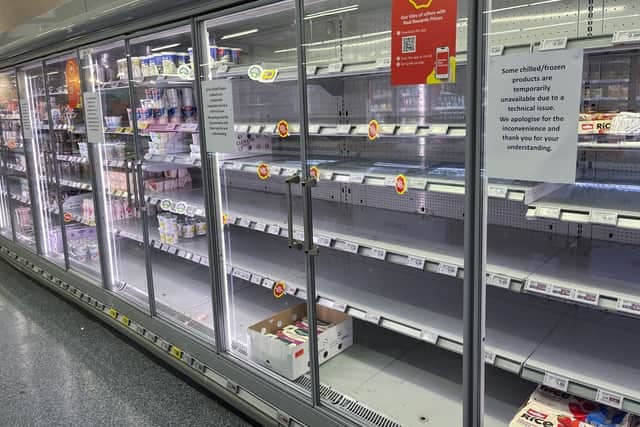
France’s government has attributed a set of “unprecedented” cyber intrusions targeting supermarket refrigeration systems last month to Iran’s Islamic Revolutionary Guard Corps and said it would pursue European sanctions against those responsible. Foreign Minister Jean-Noël Barrot said Monday, November 9, that the October 11 and 12 hacks were carried out by the IRGC. “I can confirm that this attack was carried out by the Islamic Revolutionary Guard Corps of the Islamic Republic of Iran,” he said. Barrot described the operation as unmatched in scale and aggression: “This attack is unprecedented in both its scale and its level of aggression,” adding, “We will implement sanctions at the European level against all those responsible for this attack.”
The intrusions affected hundreds of French supermarkets in early October and ranked among the most disruptive cyberattacks tied to the Iran war that started in February. Earlier incidents included breaches against Los Angeles’ transit system in March, U.S. water treatment facilities in July and vessels headed to the United States in August. In November, a second wave struck more than 100 sites across Europe and reached refrigerators used by French blood banks; staff there had to relocate part of the blood supply to other cold storage.
Iran routinely rejects allegations that it conducts malicious cyber operations. According to cybersecurity specialists who previously spoke with Reuters, the October 11 attack, which overrode temperature settings on commercial refrigerators in hundreds of locations, appeared relatively simple to execute. The company behind many of the affected units said some were obsolete or running outdated firmware, potentially giving hackers an easy entry point.
The consequences were severe. In some cases, refrigerator temperatures were raised so high that units ignited. In the hours after the hack, supermarket workers hauled boxes of spoiled meat and melted ice cream into large trash bins. One French supermarket owner estimated that nationwide costs could reach tens of millions of euros. Social media posts described empty shelves and refrigeration failures in France, Belgium, Luxembourg, Sweden, the Netherlands, Poland, Ireland, Finland and Estonia, with France struck first. A post said one Swedish store’s freezers reached 50°C, while about 40 Belgian stores and roughly 700 French stores were reported affected. The episode was described in those posts as a hybrid attack on the food supply chain.
Newsletter
Get the biggest stories in your inbox
A concise morning briefing, curated by Chronicle editors.