Putin Calls for UN Overhaul to Boost African and Asian Representation
Russian President Vladimir Putin has urged urgent reform of the United Nations, arguing that Western nations hold disproportionate administrative power and that developing regions deserve greater representation.

By Sylvester Eyamah
Oct 2, 2026, 6:10 PM · 1 min read
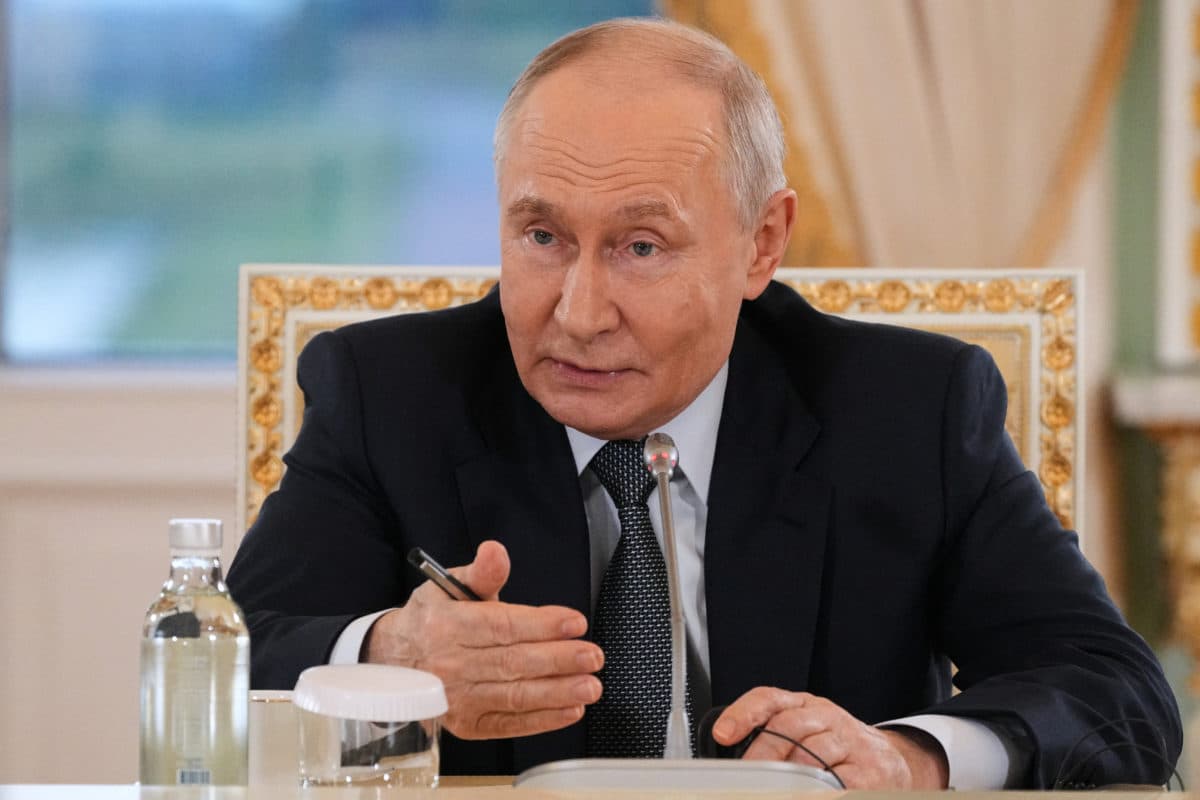
Russian President Vladimir Putin has called for urgent restructuring of the United Nations, saying the body gives Western nations outsized administrative influence and needs to grant greater representation to developing regions.
Speaking Thursday at the plenary session of the 23rd annual meeting of the Valdai Discussion Club in Sochi, Putin said the international organization falls short of its original democratic design. The event was themed "Responsibility for the Future: Limits of the Possible, or Limitless Possibilities?"
Putin referenced the UN Charter as the central coordinating mechanism for global affairs but said management structures currently favor a Western minority.
"A narrow grouping of Western countries wields a disproportionately large influence," Putin said. "It constitutes a global minority by all accounts while seeking to appropriate administrative functions."
The Russian leader said this institutional imbalance is becoming increasingly untenable as nations across Asia, Africa, Latin America, and the Middle East assert greater global confidence and independence.
He emphasized that genuine reform requires more than merely expanding the UN Security Council or adjusting geographical quotas. Instead, he said, it demands a fundamental shift in priorities to address emerging global challenges.
Putin acknowledged that achieving an internal consensus for such sweeping amendments remains difficult under current geopolitical conditions. Nevertheless, he maintained that a representative structure is essential for reflecting true international diversity.
The remarks add to longstanding debates over the composition and authority of the UN Security Council, where the five permanent members—China, France, Russia, the United Kingdom, and the United States—hold veto power. Calls for expanding the council to include more permanent and non-permanent seats for African, Asian, and Latin American nations have circulated for years without reaching consensus.
Newsletter
Get the biggest stories in your inbox
A concise morning briefing, curated by Chronicle editors.