Presidency disputes ₦120tn debt claim tied to Tinubu’s first three years
The Presidency has rejected social media claims that President Bola Tinubu’s administration borrowed ₦120 trillion in its first three years, saying the figure misstates public debt records. Presidential aide Dada Olusegun cited exchange-rate unification and previously unrecorded CBN overdrafts as reasons for the apparent increase.

By Sylvester Eyamah
Nov 10, 2026, 5:32 PM · 2 min read
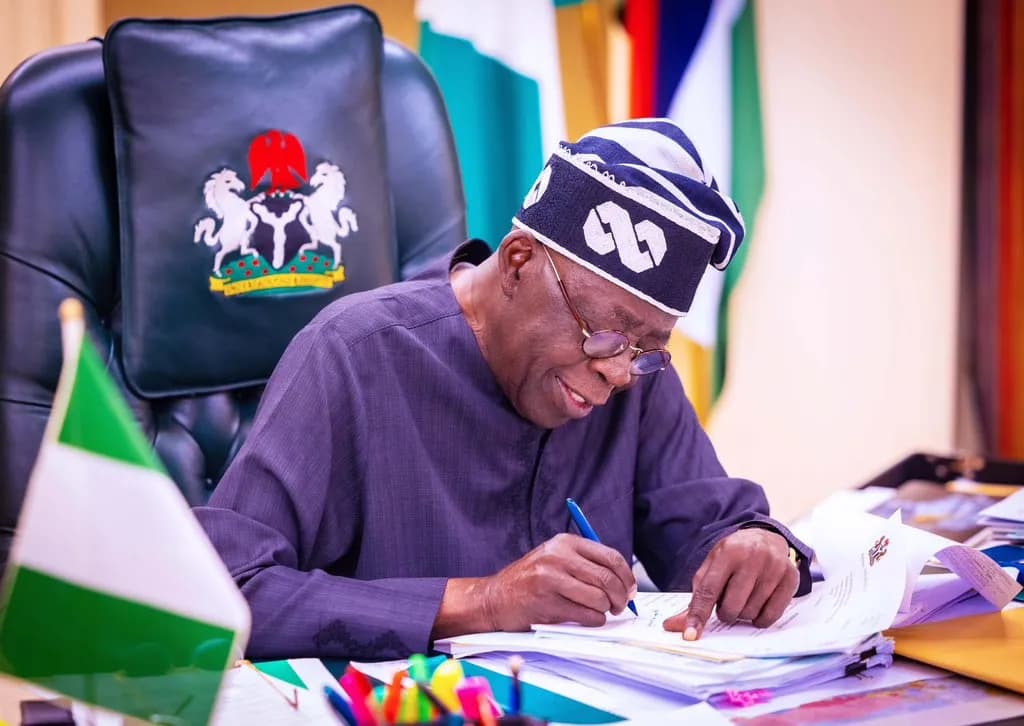
The Presidency has rejected social media claims that President Bola Tinubu’s government piled up ₦120 trillion in debt during its first three years, saying the numbers misrepresent Nigeria’s public finances.
In a Sunday statement, Dada Olusegun, Special Assistant to the President on Social Media, said comparisons between earlier governments and the current administration ignore economic restructuring, currency unification and liabilities that had previously been kept off official books.
The dispute followed a widely shared graphic asserting that 16 previous Nigerian leaders borrowed ₦46 trillion cumulatively over 63 years, while ₦120 trillion was borrowed under Tinubu. Olusegun said the late-2022 baseline of ₦46 trillion left out ₦22.7 trillion in Central Bank of Nigeria (CBN) "Ways and Means" overdrafts that were not formally included in official public debt records until May 2023.
He also said earlier external debt values used an official exchange rate of about ₦448 per dollar that understated the naira value of foreign liabilities.
"When the exchange rate was unified in June 2023, the exact same dollar debt instantly looked ₦13.4 trillion larger on paper overnight without a single new dollar being borrowed," Olusegun stated.
Citing Debt Management Office data, the Presidency said public debt moved from $113.4 billion (about ₦87.38 trillion) in June 2023 to $120.93 billion (about ₦166.79 trillion) by June 2026, a net dollar increase of $7.5 billion. It said the nominal naira increase was driven largely by exchange-rate changes and inherited central bank liabilities.
Olusegun defended the administration’s fiscal decisions, arguing that removing petrol subsidies had substantially increased allocations to sub-national governments. He noted that monthly Federation Account Allocation Committee (FAAC) distributions rose from ₦656 billion in April 2023 to ₦2.4 trillion by September 2026.
The defense came as the Federal Government faces fresh scrutiny from opposition parties, including the Nigeria Democratic Congress, after President Tinubu asked the Senate to approve a $7.7 billion external borrowing plan to fund the 2026 budget deficit. That request replaced an earlier one for $20.52 billion and €1.045 billion.
Newsletter
Get the biggest stories in your inbox
A concise morning briefing, curated by Chronicle editors.