House Panel Says Official Failures Allowed Epstein to Abuse More Victims After 2005 Arrest
A House Oversight Committee report released Tuesday says Jeffrey Epstein's influential ties helped him obtain a lenient 2008 plea deal and that failures by federal and Florida investigators allowed further abuse. The panel also criticized former US attorney Alex Acosta for insufficient oversight.

By Sylvester Eyamah
Nov 11, 2026, 7:04 PM · 2 min read
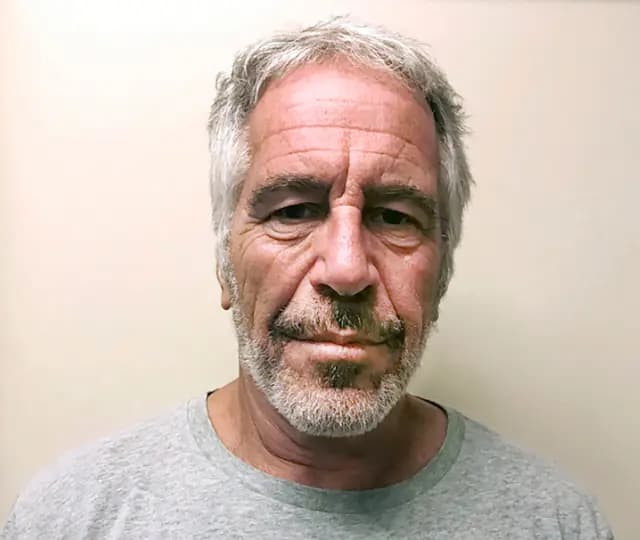
A report issued Tuesday by the US House Oversight Committee concluded that Jeffrey Epstein, the late financier and convicted sex offender, used influential connections to obtain a favorable 2008 plea arrangement and that shortcomings by prosecutors and investigators let him go on to harm additional victims. The committee said Epstein's offenses after his 2005 arrest might have been avoided and justice could have been delivered if investigators and federal prosecutors in South Florida and Washington had not failed. It said some errors reflected poor judgment by the US Attorney's Office in Miami, while others appeared to stem from Epstein's broad and pervasive influence.
After lengthy negotiations, Epstein was permitted to plead guilty to Florida state counts of soliciting prostitution and procuring minors for prostitution. He received an 18-month prison term and served 13 months, spending much of that period in work release.
The panel found that Matthew Menchel, then an assistant US attorney for the Southern District of Florida and a senior decision-maker in the case, had a link to Epstein. According to the report, Menchel went on an Aspen ski trip with Epstein in the early 2000s. Menchel has denied the claim, the report noted, even though photographs of the two apparently exist.
Alex Acosta, who was the US attorney at the time and later served as labor secretary during President Trump's first term, attributed the lenient handling to state and local authorities. The report said Acosta testified that his office had been repeatedly assured Epstein would receive no work release and that he deeply regretted leaving Epstein's incarceration to the state, which he described as an unreliable partner. Acosta also said federal prosecutors would never have settled the case as they did had they known how the state-based agreement would unfold, according to the report.
The committee additionally criticized Acosta for inadequate oversight of the Epstein matter, saying his hands-off approach enabled the offender's allies to take charge of the case.
Newsletter
Get the biggest stories in your inbox
A concise morning briefing, curated by Chronicle editors.