Nigerian Woman Says Churchgoers Avoid Her Handshake Over Neurofibromatosis
Eseoghene Susan Oghenekevwe, who has neurofibromatosis, says people at her Catholic church often refuse to shake her hand during the sign of peace. She has also described how her husband encouraged her to share her story.

By Jeffery Julius
Sep 22, 2026, 4:14 PM · 2 min read
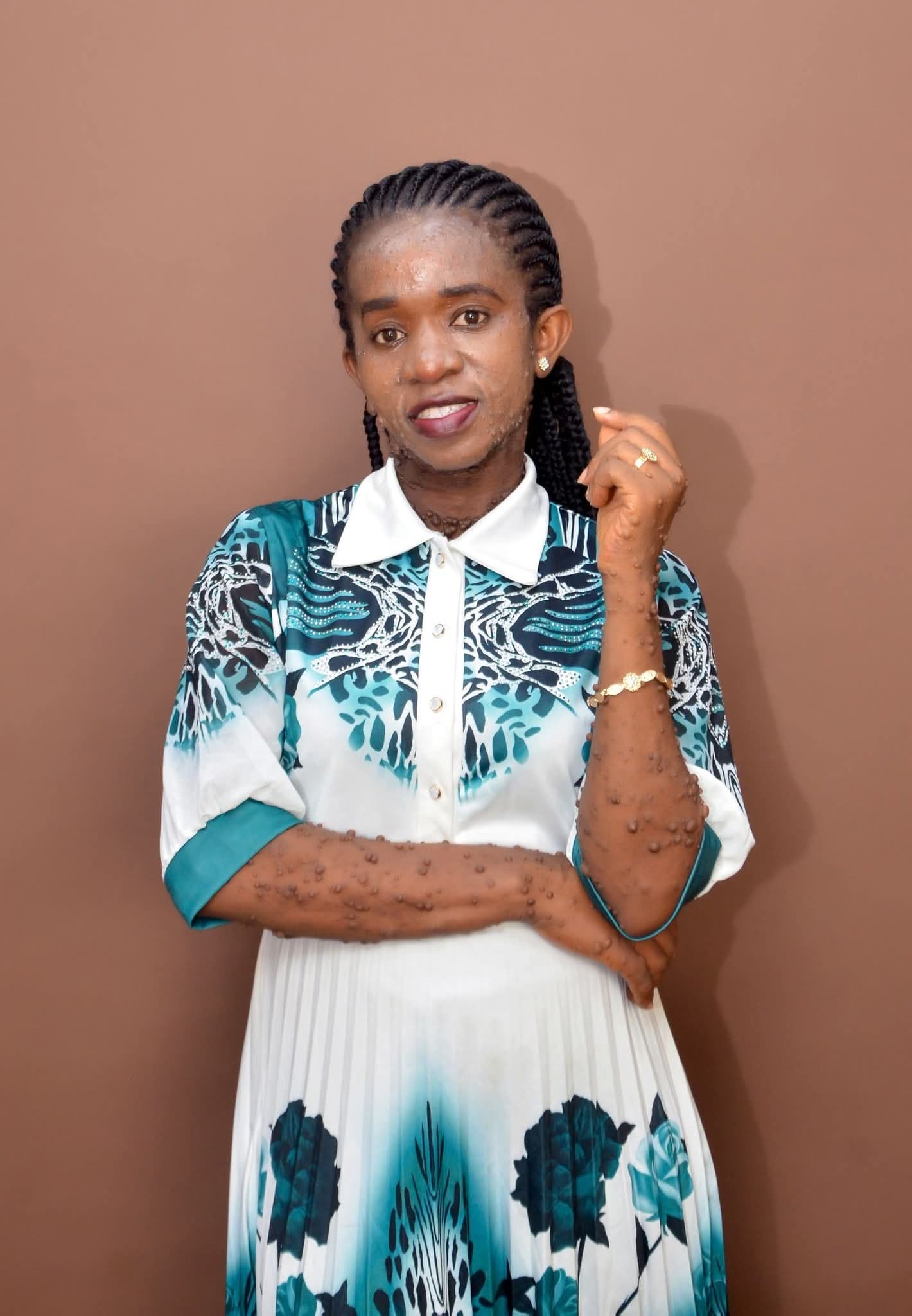
Eseoghene Susan Oghenekevwe, a Nigerian woman who lives with neurofibromatosis, has spoken about the treatment she encounters at church when congregants exchange the sign of peace. Neurofibromatosis is a genetic condition that leads to noncancerous tumors developing along the nervous system, skin, and bones.
Oghenekevwe, who is Catholic, said that when her church reaches the moment for worshippers to greet one another by shaking hands, people tend to avoid her hand. In a Facebook post, she explained that this is why she no longer looks to either side during the sign of peace.
Before Holy Communion, she wrote, when the invitation to share the sign of peace is given, she used to reach out to the person next to her. Sometimes that person would not even extend a hand. She would then try the other side and experience the same response. She said it genuinely caused her pain.
She noted that these are people she sees each Sunday, people who know her parents, siblings, and family. They are not strangers to her. Yet, she wrote, the growths on her skin have turned something as ordinary as a handshake into an obstacle for some.
As a result, she said, she stopped looking left or right. When the sign of peace is announced, she now simply stands, makes the sign of the cross, and stays calm. If someone she knows offers a hand, she is happy to exchange peace, but she no longer reaches out first unless she is sure the other person will accept it.
She added that she has learned it can be less painful not to offer her hand at all than to have it rejected repeatedly. She also stated, "Peace is already with me."
In another post, Oghenekevwe described how her husband accepts her as she is. She said that when she first began sharing photos on Facebook, she rarely posted images of herself without editing them. She felt she had to edit them because many people online are frustrated and unhappy, and she did not want their negativity to affect her while she was trying to be happy. She called this frustrating and said it was one reason she seldom posted pictures.
After she married, she still did not post much, but her husband regularly posted about her. She recalled him saying, "I can't hide you," and explaining that he needed to post his wife now. He would share images while she continued editing her own. Anyone who wanted to see her unedited appearance could visit her husband's profile, she said, because her own page featured edited photos.
More recently, she has begun posting a little at a time. She said her husband sometimes asks why she does not simply share her story about the skin tag, and she is starting to understand what he meant.
Newsletter
Get the biggest stories in your inbox
A concise morning briefing, curated by Chronicle editors.